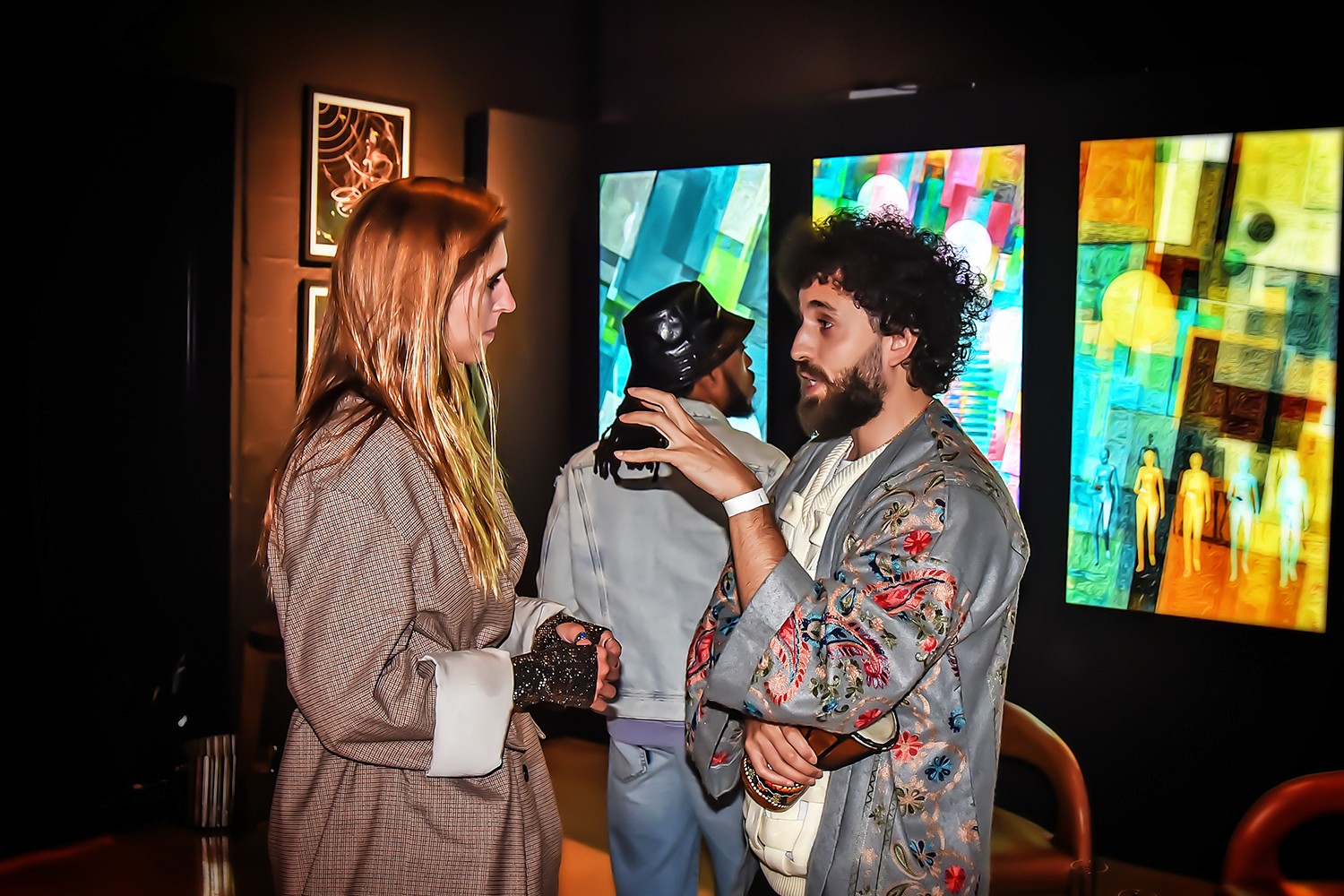
ABOUT MARY


Hi, I'm Mary
Hi, I'm Mary.
My approach
I was born in western Kansas and homeschooled. Some of my earliest memories are of playing Oregon Trail and watching my father write code in MS-DOS. As the internet grew, I watched it transform from a curiosity into the infrastructure that shaped modern life. My father talked to me about algorithms long before most people did, and after 9/11 I watched online data collection and surveillance rapidly expand.
For years, I responded by opting out. I avoided social media, got married, moved to rural Colorado, and embraced a homesteading lifestyle. I believed that by disconnecting from technology, I was resisting it.
Then, in 2017, I came across an article about CryptoPunks on Yahoo News. The idea that digital art could exist on Ethereumwith verifiable ownership, provenance, and open-source infrastructure, it captured my attention. I started studying blockchain technology, and I realized the knowledge was available to anyone willing to learn.
Soon after, my life changed dramatically. I moved to Kansas City, went through a divorce, and then the COVID-19 pandemic shut down the world. Not long after, I was hit by a drunk driver in a stolen car traveling at high speed. I suffered a traumatic brain injury, and recovery took nearly two years.
In 2023, I attended ETHDenver. That experience was a turning point. Being surrounded by builders, artists, and researchers showed me that blockchain wasn't simply about cryptocurrency. That it was a foundational technology for digital ownership, authorship, and long-term provenance.
When I returned to Kansas City, I founded Digital Dreams to help bridge that gap between emerging technology and the art world.
Today, my work as a researcher and curator focuses on helping museums, collectors, and private spaces understand, acquire, and integrate digital art with confidence. I believe blockchain offers one of the strongest tools we've ever had for preserving provenance, protecting creators' rights, and ensuring that digital culture can endure for future generations. My goal is to make these technologies approachable, practical, and meaningful, not overwhelming.
I was born in western Kansas and homeschooled. Some of my earliest memories are of playing Oregon Trail and watching my father write code in MS-DOS. As the internet grew, I watched it transform from a curiosity into the infrastructure that shaped modern life. My father talked to me about algorithms long before most people did, and after 9/11 I watched online data collection and surveillance rapidly expand.
For years, I responded by opting out. I avoided social media until 2018. I got married, moved to rural Colorado, and embraced a homesteading lifestyle. I believed that by disconnecting from technology, I was not going to have to be part of its mass surveillance takeover.
Then, in 2017, I came across an article about CryptoPunks on Yahoo News. The idea that contracts could be on a network called Ethereum with verifiable ownership, provenance, and open-source infrastructure captured my attention. I started studying blockchain technology, and I realized the knowledge was available to anyone willing to learn.
Soon after, my life changed dramatically. I moved to Kansas City, went through a divorce, and then the COVID-19 pandemic shut down the world. Not long after, I was hit by a drunk driver in a stolen car traveling at high speed. I suffered a traumatic brain injury, and recovery took nearly two years.
In 2023, I attended ETHDenver. That experience was a turning point. Being surrounded by builders, artists, and researchers showed me that blockchain wasn't simply about cryptocurrency. This was a foundational technology for digital ownership, authorship, and long-term provenance.
When I returned to Kansas City, I founded Digital Dreams to help bridge that gap between emerging technology and the art world.
Today, my work focuses on cultural integration. By helping museums, Non-profits, and private spaces understand, acquire, and integrate digital art and new technologies with confidence.
I believe blockchain offers one of the strongest tools we've ever had for preserving provenance, protecting ip rights, and ensuring that digital culture can endure for future generations.
I believe that to have adaption of this in our society, the culture has to have access to these technologies in an approachable, practical, and meaningful way.
Discovery & Direction
Art That Inspires