
Collecting Digital Art in 2026: What's Actually Worth Your Attention
What is Digital Art?
Digital Art refers to any creative practice that uses digital technology as an essential aspect of its making and/or presentation. Since our founding, Saatchi Art has committed itself to displaying digital artists’ works alongside those by traditional artists. You can now safely expect digital art to be a primary focus for collectors of emerging art worldwide.
Many collectors need help knowing where to begin when considering digital art. Where can I buy it? What am I buying? Who are the artists worth collecting? And why is it worth buying?
The NFT boom made collecting digital art feel like a sprint. The correction made it feel like a crash. Neither framing was accurate, and both obscured what was actually happening underneath: a medium was finding its footing.
Where we are now is more interesting than either of those moments. The noise has cleared enough that the work itself is visible again. And for collectors who approach digital art the way they approach any other medium = with curiosity, patience, and a genuine interest in artists over assets, this is a genuinely good moment to be paying attention.

1. Buy What You Love
Collect digital art that resonates with you. Remember, art is subjective. Consider how the artwork makes you feel. Does it make you see the world a little differently? If the answer is yes, you may have found the perfect piece
2. Set a Budget
Many first-time collectors assume that valuable, high-quality art is unaffordable and difficult to access. Find emerging artists you love, and that sell work within your budget, to support and collect.
3. Consider Your Lifestyle
There are many ways to enjoy digital art. From physical prints ( yes there are ) to digital displays and beyond. Do you want to be able to display the work physically? If so, do you have a space in mind in which to show it off? Consider your space and how you prefer to enjoy the work once you purchase it to determine where to start your collecting journey.
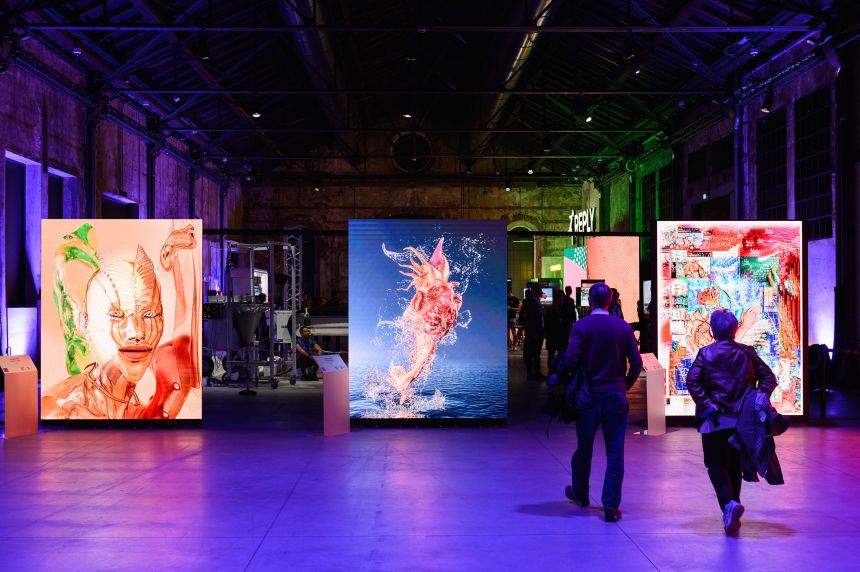
A few things I think matter right now:
The provenance question is settled enough to collect confidently. Blockchain-based provenance isn't perfect, but it's functional. On-chain records, wallet-to-wallet transfer history, minting documentation — for work that was issued on established platforms, the ownership trail is clearer than it's ever been for digital work. That's meaningful for anyone thinking about long-term collection value.
The artists who stayed through the crash are worth knowing. The speculative money left. The artists who kept making work anyway, they are out there. And you can find them through relationships, through their own platforms and honestly, through me! These artists practices were never about the moment. That's where I'd be looking.
Display is an unsolved and interesting problem. How do you live with a piece that runs on a screen? What does a collection of time-based work look like in a home or office? These are questions collectors are actively working out, and the answers are becoming more sophisticated. High-quality display hardware has gotten better and cheaper. The concept of a dedicated display wall for rotating work is becoming normalized. This is worth thinking through before you acquire, not after. I'd start with asking yourself where. Where do you see a digital screen based work living, in your space?
Edition structures vary and they matter. 1/1 works, open editions, limited editions with different tiers , all of these structures affect both the meaning and the market value of the work. It's worth understanding what you're buying and why the artist structured it that way. It will also ensure you have a more cohesive collecting strategy.
Digital art is not a category that rewards impulsive acquisition. It rewards people who take the time to understand the artists, to follow their practices over time, and to think carefully about how the work will exist in their lives. If you approach it that way, the current moment has a lot to offer.